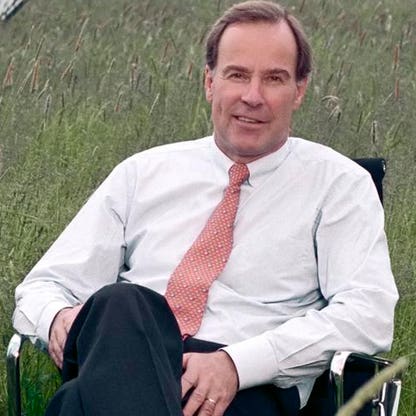
Andreas Strüngmann is a name synonymous with visionary leadership and strategic investment within the global pharmaceutical and biotechnology sectors. A German billionaire entrepreneur, his journey from a medical doctor to a titan of industry exemplifies the power of foresight, relentless innovation, and a commitment to advancing human health. While he maintains a remarkably low public profile, his impact, particularly through co-founding Hexal AG and his pivotal early investment in BioNTech, resonates across continents. Understanding the foundation and growth of Andreas Strüngmann's net worth offers a compelling narrative of entrepreneurial success.
Born on February 19, 1950, Andreas, alongside his twin brother Thomas, embarked on a path that would reshape segments of the healthcare industry. His early education at the University of Augsburg laid a robust academic groundwork, which was further enriched by his experience practicing medicine in South Africa after studying in Freiburg. This blend of medical insight and business acumen would prove to be a powerful combination, propelling him to create an enduring legacy.
The Hexal Empire: Forging a Path in Generics
The first major chapter in Andreas Strüngmann's entrepreneurial story unfolded in 1986 with the co-founding of Hexal AG. In an era dominated by branded pharmaceuticals, the Strüngmann brothers identified a significant opportunity in the generic drug market. Their vision was clear: to provide high-quality, affordable alternatives to patented medicines, thereby making essential treatments accessible to a broader population. This wasn't merely a business strategy; it was a commitment to public health, driven by the belief that cost should not be a barrier to vital medication.
Hexal quickly distinguished itself through a combination of aggressive market penetration, efficient manufacturing processes, and a relentless focus on research and development to bring generic versions of popular drugs to market rapidly. The company's rapid ascent was a testament to the brothers' strategic acumen and operational excellence. They understood the complexities of pharmaceutical regulation and navigated them adeptly, expanding Hexal's reach across numerous international markets.
By 2005, Hexal had grown into one of Europe's leading generic drug manufacturers. Its success did not go unnoticed, attracting the attention of global pharmaceutical giants. The culmination of their efforts came with the sale of Hexal AG to Swiss pharmaceutical giant Novartis for an estimated $7 billion. This monumental transaction not only solidified Andreas Strüngmann's net worth but also marked a significant milestone in the history of the generic drug industry, validating the brothers' innovative business model and proving the immense value of their enterprise. This sale provided the capital and momentum for their next ventures, further expanding their influence in the global healthcare landscape. For a deeper dive into his strategic moves, read about How Andreas Strüngmann Built a $12.7 Billion Pharma Fortune.
Insight: The Power of Generic Pharmaceuticals
- Market Disruption: Hexal's success highlighted how generic manufacturers can disrupt established markets by offering lower-cost alternatives, driving competition and innovation.
- Patient Access: Generic drugs play a crucial role in global health, enabling healthcare systems to manage costs and increasing patient access to essential medicines.
- Strategic Vision: Identifying and capitalizing on this market opportunity required not just business acumen but a deep understanding of healthcare needs and economic trends.
BioNTech: A Pivotal Bet on Biotech Innovation
While the sale of Hexal could have been the pinnacle of many entrepreneurs' careers, for Andreas and Thomas Strüngmann, it was merely a launching pad for even grander ambitions. Their next significant move would cement their place as true visionaries: an early and substantial investment in BioNTech, a then-nascent German biotechnology company founded in 2008 by Uğur Şahin and Özlem Türeci.
The Strüngmann brothers, through their Zug, Switzerland-based investment firm, Santo Holding, recognized the profound potential of BioNTech's pioneering work in messenger RNA (mRNA) technology. At the time, mRNA research was considered highly speculative, with many years of development ahead before clinical application. Their investment wasn't just financial; it was a profound act of faith in a scientific frontier that promised revolutionary breakthroughs, particularly in areas like cancer immunotherapy and infectious diseases.
This long-term commitment proved prescient when the COVID-19 pandemic swept across the globe in early 2020. BioNTech, in partnership with Pfizer, rapidly developed one of the first and most effective COVID-19 vaccines, utilizing its advanced mRNA platform. This vaccine became a cornerstone in the global fight against the pandemic, saving countless lives and demonstrating the immense power of biotechnological innovation.
The success of the BioNTech vaccine dramatically elevated the company's profile and, consequently, the value of the Strüngmanns' investment. This single, strategic bet significantly amplified Andreas Strüngmann's net worth, making him one of the wealthiest individuals in Germany. It underscored their unique ability to identify and nurture groundbreaking scientific endeavors that could have a profound societal impact. Their belief in BioNTech was a calculated risk that paid off not just in financial terms, but in contributing to a critical global health solution.
Practical Tip: Investing in High-Tech Ventures
Investing in early-stage biotech or deep-tech companies requires:
- Deep Domain Knowledge: Understanding the science and market potential is crucial.
- Long-Term Horizon: These investments often take years, even decades, to mature.
- Risk Tolerance: Many early-stage ventures fail, so a diversified portfolio and a robust risk management strategy are essential.
- Patience and Persistence: Success rarely happens overnight; continuous support and belief are vital.
Beyond BioNTech: A Continual Investment in Life Sciences
The Strüngmann brothers' investment philosophy extends far beyond single, high-profile successes like Hexal and BioNTech. Through Santo Holding, they maintain a consistent and strategic focus on biotechnology, pharmaceuticals, life sciences, and healthcare companies. Their portfolio reflects a diversified approach within these core sectors, aiming to foster innovation and capitalize on emerging trends that promise to redefine medical treatment and patient care.
Santo Holding's strategy is characterized by its long-term perspective and a willingness to invest in disruptive technologies and research that may not yield immediate returns but hold significant future potential. This patient capital approach allows promising startups and research initiatives to develop without the pressure of short-term quarterly results, a common hurdle for many biotech ventures. Their deep industry knowledge, cultivated over decades, provides them with a unique advantage in identifying promising opportunities and guiding companies through complex development cycles.
The brothers' influence is not just financial; it often involves active engagement, leveraging their experience and network to mentor founders and provide strategic guidance. This hands-on, supportive approach has fostered a reputation for being more than just investors—they are partners in innovation. Their commitment to the healthcare ecosystem is unwavering, as evidenced by their continued investment in companies that are pioneering new therapies, diagnostic tools, and digital health solutions. It's a testament to The $12.7 Billion Vision: Andreas Strüngmann's Healthcare Legacy.
Philanthropy, Legacy, and a Low Profile
Despite the immense scale of Andreas Strüngmann's net worth, estimated at $12.7 billion in 2024, and his profound impact on global health, he steadfastly maintains a remarkably low public profile. This discretion is a defining characteristic of the billionaire, who prefers to influence the world of medicine and entrepreneurship from behind the scenes rather than in the public spotlight. This approach aligns with a focus on substantive impact over personal notoriety.
However, his commitment to advancing medical science is not confined solely to investment. Andreas Strüngmann is also a notable philanthropist, actively supporting medical research and initiatives that push the boundaries of scientific understanding. A prime example of this dedication is the establishment of the Ernst Strüngmann Institute (ESI) for Neuroscience in Frankfurt in 2008. Named after their father, the institute focuses on fundamental brain research, a field with vast potential for understanding and treating neurological disorders. This act of philanthropy underscores a desire to give back and foster an environment where groundbreaking discoveries can flourish, ensuring that his wealth contributes to a lasting legacy of scientific progress.
His support for academic research, combined with his strategic investments, illustrates a holistic approach to healthcare innovation. It’s not just about commercial success; it’s about nurturing the entire ecosystem—from fundamental research to market-ready solutions. Andreas Strüngmann continues to inspire as a visionary leader, demonstrating that immense wealth can be a powerful catalyst for positive change in global health and a driving force for entrepreneurial excellence.
Andreas Strüngmann’s journey is a compelling narrative of entrepreneurial brilliance, strategic foresight, and a deep-seated commitment to healthcare innovation. From building the generic drug powerhouse Hexal to making the pivotal early bet on BioNTech, his career is marked by ventures that have not only generated significant wealth, contributing to a colossal Andreas Strüngmann net worth, but have also profoundly impacted global health. His continued investment in life sciences through Santo Holding and his philanthropic endeavors in medical research solidify his legacy as a quiet force, continually paving the way for future breakthroughs and inspiring a new generation of healthcare entrepreneurs.